
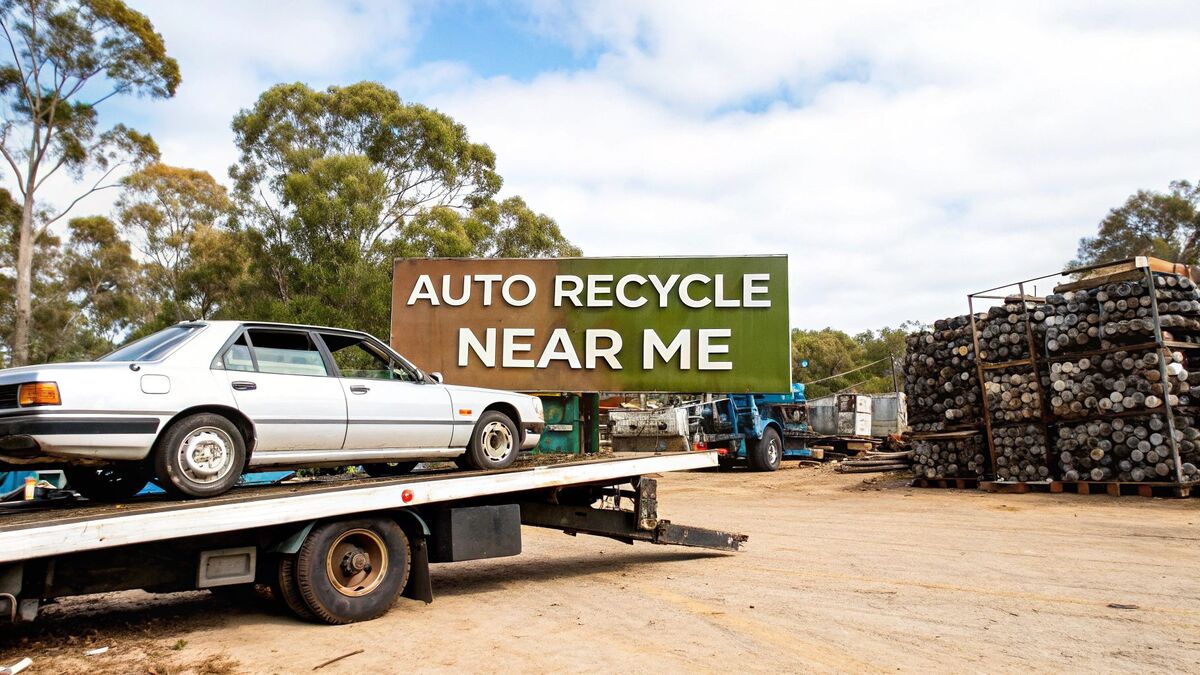
When you decide to find an auto recycler near you, you're making one of the best choices for a car that's reached the end of the road. It's about more than clearing your driveway and getting cash — it's a genuinely impactful environmental decision that supports local businesses and the circular economy.
Why Local Car Recycling Is a Smart Move
The environmental impact
A car that's no longer running is full of hazardous materials. Left to rust in a paddock or dumped in landfill, those substances do serious damage:
- Fluid contamination — engine oil, coolant, brake fluid, and leftover petrol seep into the ground, polluting soil and waterways.
- Heavy metals — the battery alone contains lead and acid, both toxic if mishandled.
A proper auto recycler guarantees these are drained and managed safely under strict environmental rules.
Conserving energy and raw materials
Reusing the steel from just one car saves enough energy to power an average home for almost a year, and recycling metals slashes greenhouse emissions versus making them from scratch. Each year around 850,000 vehicles are retired in Australia — about 1.36 million tonnes of waste — and going local keeps jobs and money in your community.
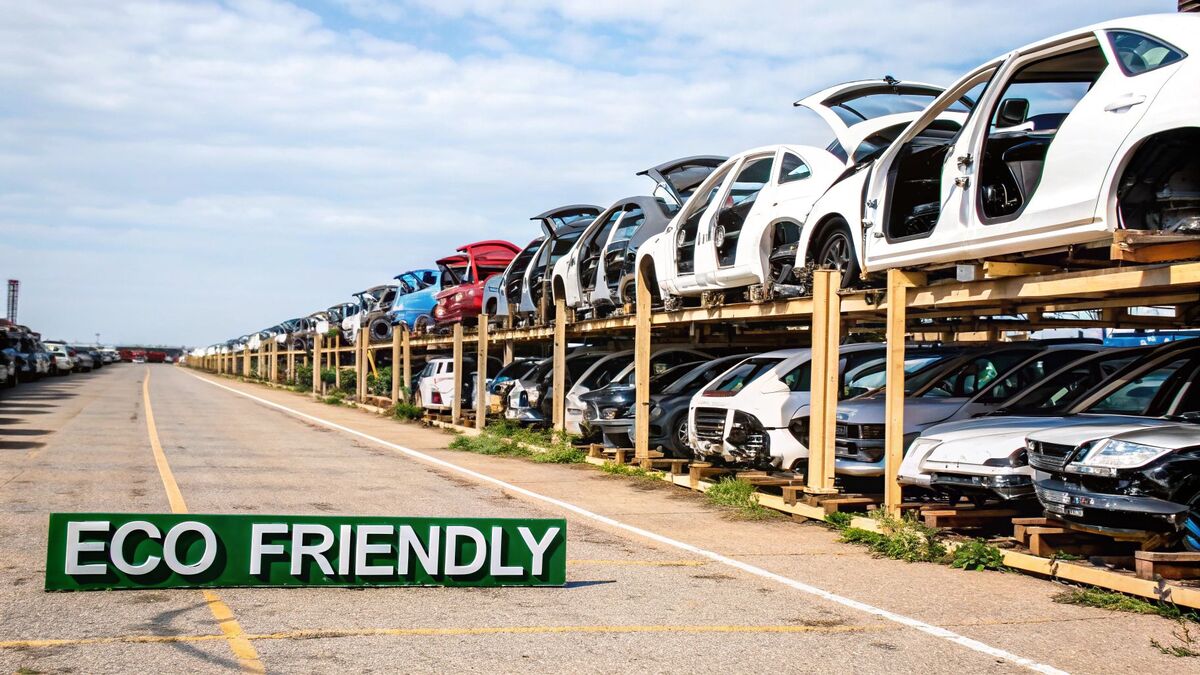
How to Prepare Your Car for Recycling
Give the car a thorough clean-out — the glove box, under the seats, the boot, and side compartments. Then remove the number plates (it's on you in nearly every state) and apply to cancel the registration with your transport authority, which cuts your legal connection to the car. Locally, all of that sits under our auto wrecking operation, paperwork included.
Wait until after the car is picked up to cancel the registration — the recycler gives you a disposal certificate or receipt that your transport authority may need to see.
Don't drain the fluids yourself — any reputable recycler is equipped to handle them safely. Just confirm they'll manage the full depollution process. That covers our metro Adelaide coverage, including the outer suburbs.
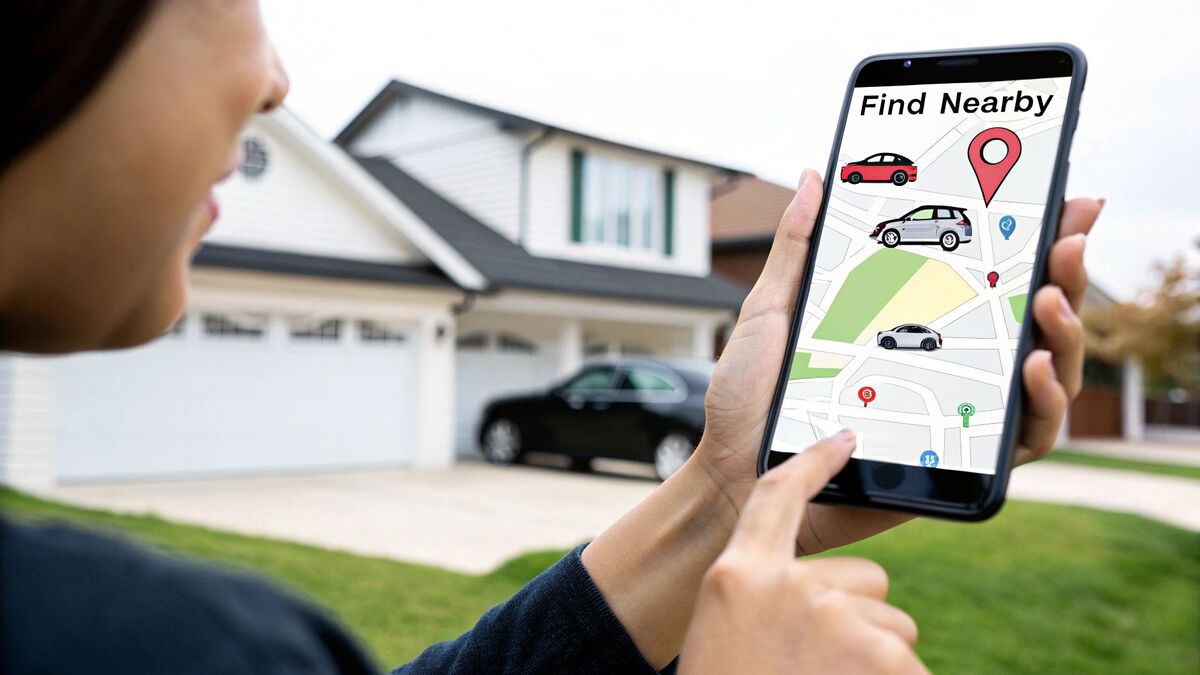
Finding a Reputable Auto Recycler
A trustworthy operator has nothing to hide — a professional website, a physical local address (be cautious of an outfit with only a mobile number), and consistent positive Google reviews about fair prices and reliability. Ask the right questions:
- Is towing completely free? — a good answer is a firm yes within the service area, with no conditions.
- Are there any hidden fees? — the quoted price should be the exact amount you receive.
- What paperwork do you provide? — an official receipt or transfer form as proof of disposal.
- How and when do I get paid? — cash on the spot or an instant bank transfer, not a cheque "later".
Recycling standards vary across the country. We already recycle around 70% of that material, but the regional gap is stark — South Australia is a leader with a material recovery rate of around 78.1%, while the Northern Territory sits much lower at 18.2%. While metals generally have a high national recovery rate (87%), these regional stats highlight why choosing an established recycler who follows best practice really matters. Plastics are catching up too: valued at USD 1.2 billion in 2024, this sector is getting better and better at recovering and reusing materials from cars, like bumpers and dashboards.
Navigating the Necessary Paperwork
The documentation proves one thing: that you're the legal owner. You'll need proof of ownership (your registration certificate or title) and photo identification (a driver's licence whose name matches the registration). If you can't find the certificate, many recyclers verify ownership through official databases using your licence and the car's details. That is exactly what we built our free removal and towing around.
The most important piece of paper you'll get is the disposal certificate or transfer receipt from the recycler — your legal proof the car is no longer your responsibility.
How We Figure Out What Your Scrap Car Is Worth
The biggest factor is kerb weight — most of a car is steel, scrap prices fluctuate daily, and a heavier 4WD or ute is worth more than a small hatchback. Make, model, and age matter too: a 10-year-old Corolla has more in-demand parts than an obscure 25-year-old model. The hidden value is in salvageable parts:
- Engine and transmission — by far the most valuable if in working order.
- Catalytic converter — a hot commodity for its precious metals.
- Alternators and starter motors — common failure points with steady demand.
- Body panels and wheels — straight, undamaged doors, bonnets, and alloys can be salvaged.
The Questions to Ask Before You Book
"Near me" is a good starting filter, but proximity alone does not make a recycler worth dealing with. Five questions separate the professionals from the rest:
- Are you licensed and insured? A licensed operator can legally take ownership of the vehicle and lodge the disposal paperwork. An unlicensed one leaves the car in your name.
- Is the quote guaranteed on arrival? The most common complaint in this industry is a phone price that halves when the truck turns up.
- Is towing genuinely included? Ask explicitly, and ask whether there is any admin or paperwork fee.
- Do you own your own trucks? Brokers who subcontract towing have less control over timing and often less room in the price.
- What happens to the vehicle? A real recycler will describe depollution and dismantling without hesitating.
Red flags: cash-only with no receipt, no fixed business address, reluctance to put the quote in writing, and pressure to accept immediately.
What Happens to Your Car After Pickup
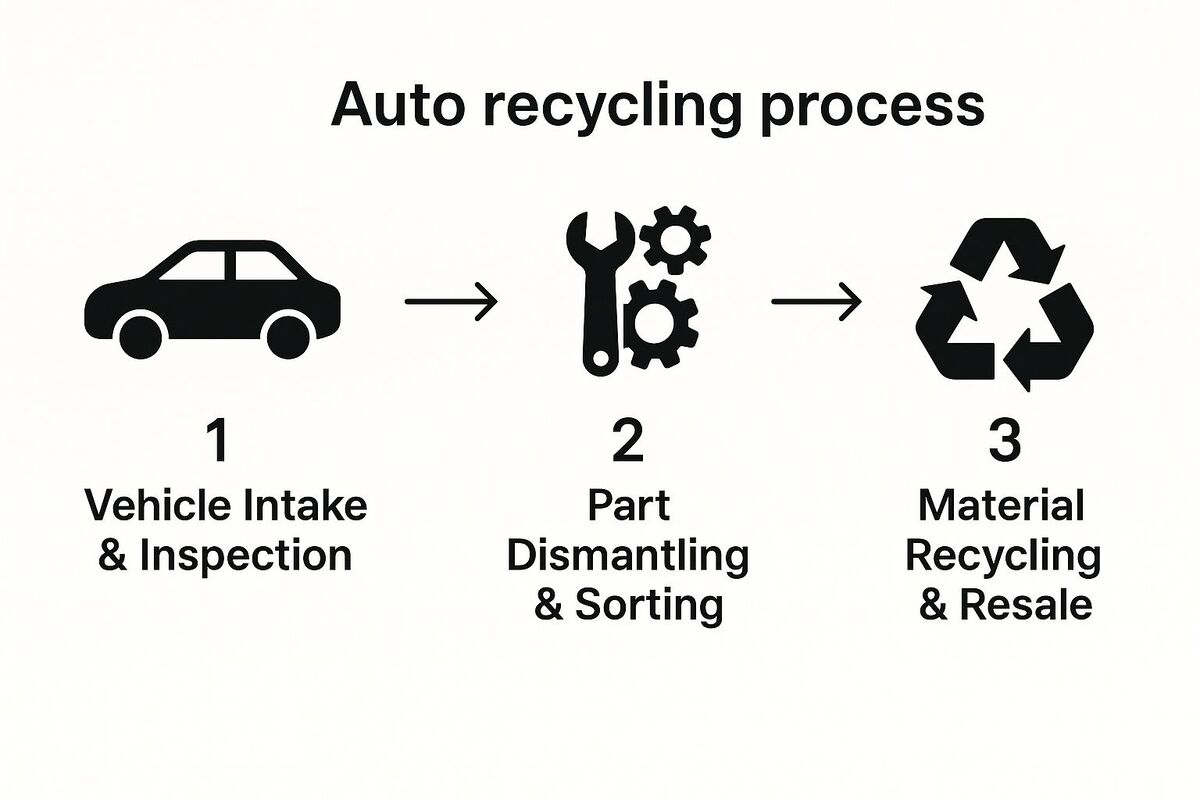
The journey is more involved than most people expect, and it explains where the value in your car actually sits.
Depollution
Fuel, oils, coolant, brake fluid and refrigerant are drained and stored for reprocessing. The battery, airbag units and the catalytic converter come out early — all three are hazardous or high-value, and both reasons mean they are handled first.
Salvaging components
Anything that can be tested and resold is removed intact: engine, transmission, doors, panels, lights, wheels, electronics and interior. This is the highest-value stage and the part of the process that funds your payout.
Shredding and separation
The remaining shell is crushed, then shredded into fist-sized pieces. Magnets pull out the ferrous steel, eddy-current separators recover aluminium and copper, and the sorted metal goes back to mills and foundries. Over 80% of the vehicle by weight re-enters the supply chain.
Squeezing a Bit More Out of the Deal
Small things move the number more than people realise. Deliver an accurate description first time, keep the car complete, mention any recent work (a new battery, near-new tyres, a rebuilt starter), have the paperwork in hand, and make sure the truck can actually reach the vehicle — a car that has to be dragged from behind a shed costs the operator time, and that time comes out of your offer.
If you are weighing recycling against a straight cash sale, our guide to what a scrap car is actually worth covers the numbers side in more depth.
Common Questions About Car Recycling
Can I recycle a car without keys or rego papers?
Almost certainly yes — proving you're the legal owner is what matters, usually with a driver's licence matching the registered name. Mention missing keys when you call so the driver brings the right gear. There is a lot more detail on that in our guide to what a scrap car is actually worth.
How much cash can I realistically expect?
It depends on weight, make and model, and current scrap prices. A small older car with little to salvage might fetch $150–$250; a heavier vehicle or one with in-demand parts could fetch $1,000 or more. Get at least three quotes.
What happens to my car after it gets picked up?
Depollution drains the hazardous fluids; dismantling salvages reusable parts; the shell is shredded; and material separation sorts ferrous from non-ferrous metals for the smelters. Over 80% of your car by weight gets a second life. Ring 08 7113 2722 or book a free pickup — there is no obligation, and the price we quote is the price we pay.
Are there hidden costs like towing fees?
There should not be. Free removal is standard across metro Adelaide and any fee deducted on the day is simply a lower offer arriving late. Confirm the figure includes towing before you agree.
Can I save money by delivering the car myself?
Occasionally a yard will add a small amount for a drive-in, but once you factor in transport and your time it rarely comes out ahead — and it is not an option at all for a car that will not start.
Does it matter if the car is a total wreck?
No. Non-runners, flood and fire damage, accident write-offs and cars that have not moved in a decade are all routine. The metal and the surviving parts are what matter.
How long does the whole thing take?
From the first phone call to the truck leaving your driveway is usually 24 to 48 hours, and often the same day if you call in the morning. The collection itself takes about twenty minutes — a walk-around to confirm the car matches the description, an ID check against the ownership papers, signatures, payment, plates off, and the car is winched on.
Do you take vehicles other than cars?
Yes. Utes, vans, 4WDs, light trucks, motorbikes and machinery are all recycled through the same process, and heavier vehicles usually attract a higher offer because there is simply more recoverable metal in them. There is more on that under truck, van and 4x4 removals.
What if the car is not at my address?
That is fine as long as you have the right to have it removed — a rental property, a storage yard, a workplace car park or a relative's driveway are all common. You will need permission from the property owner for access, and you still need to be the registered owner of the vehicle to sign it over.
We offer competitive cash prices with on-the-spot payment and free towing anywhere in Adelaide.